ਧੰਨ ਗੁਰੂ ਅਮਰਦਾਸ ਜੀ ਨੇ ਇਸ ਪਾਵਨ ਸ਼ਬਦ ਰਾਹੀਂ ਗੁਰਮੁਖ ਦੀ ਉਸਤਤਿ ਕਰਦਿਆਂ ਕੇਵਲ ਅੱਧੀ ਤੁਕ ਵਿੱਚ ਹੀ ਮਨਮੁਖ ਬਾਰੇ ਨਿਬੇੜਾ ਕਰ ਦਿੱਤਾ ਹੈ। ਗੁਰਬਾਣੀ ਸਾਨੂੰ ਜਾਤਪਾਤ ਜਾਂ ਵਰਣਵੰਡ ਦੇ ਅਧਾਰ ਤੇ ਸ਼੍ਰੇਣੀਆਂ ਵਿੱਚ ਨਹੀਂ ਵੰਡਦੀ, ਸਗੋਂ “ਏਕੁ ਪਿਤਾ ਏਕਸ ਕੇ ਹਮ ਬਾਰਿਕ॥”(੬੧੧) ਦਾ ਸੁਨੇਹਾ ਦਿੰਦੀ ਹੈ। ਹਾਂ, ਕਰਣੀ ਅਨੁਸਾਰ ਗੁਰਬਾਣੀ ਸਾਨੂੰ ਜ਼ਰੂਰ ਦੋ ਹਿੱਸਿਆਂ ਵਿੱਚ ਵੰਡਦੀ ਹੈ, ਗੁਰਮੁਖ ਅਤੇ ਮਨਮੁਖ।
ਗੁਰਮੁਖ ਆਪਣੇ ਗੁਰੂ ਦੇ ਸਨਮੁੱਖ ਰਹਿ ਕੇ ਜੀਵਨ ਜਿਉਂਦਾ ਹੈ, ਉਹ ਜਿਉਂਦੇ ਹੀ ਅਕਾਲ ਪੁਰਖ ਦੀ ਦਰਗਾਹੇ ਪ੍ਰਵਾਣ ਹੁੰਦਾ ਹੈ ਅਤੇ ਸਰੀਰ ਛੱਡਣ ਉਪਰੰਤ ਵੀ ਪ੍ਰਵਾਣ ਹੁੰਦਾ ਹੈ। ਮਨੁੱਖ ਆਪਣੀ ਮਾਤਾ ਦੀ ਕੁੱਖੋਂ ਜਨਮ ਲੈਂਦਾ ਹੈ, ਪਰ ਗੁਰਮੁਖ ਸਤਸੰਗਤ ਦੀ ਕੁੱਖੋਂ ਜਨਮ ਲੈਂਦਾ ਹੈ। ਸਤਸੰਗਤ ਦੀ ਕੁੱਖੋਂ ਜਨਮ ਲੈ ਕੇ ਉਹ ਗੁਰੂ ਦੀ ਦੱਸੀ ਤਰਤੀਬ ਅਨੁਸਾਰ, ਗੁਰੂ ਦੇ ਦੱਸੇ ਨੇਮ ਅਨੁਸਾਰ ਆਪਣਾ ਜੀਵਨ ਜਿਉਂਦਾ ਹੈ। ਫਿਰ ਆਪਣੇ ਜੀਵਨ ਦੌਰਾਨ ਸੁਗੰਧੀਆਂ ਅਤੇ ਖੁਸ਼ੀਆਂ ਖੇੜੇ ਵੰਡਦਾ ਹੈ ਕਿਉਂਕਿ ਉਸਦੀ ਟੇਕ ਨਾਮ ਹੈ। ਗੁਰਮੁਖ ਜਦੋਂ ਪ੍ਰਮਾਤਮਾ ਦੇ ਗੁਣਾਂ ਦੀ ਸੁਗੰਧੀ ਵੰਡਦਾ ਹੈ, ਇਹ ਗੁਰਮੁਖ ਦਾ ਦਾਨ ਹੈ। ਜਦੋਂ ਉਹ ਨਾਮ ਦੇ ਆਸਰੇ ਆਪਣੀ ਮਤਿ ਅਤੇ ਮਨ ਨੂੰ ਨਿਰਮਲ ਰੱਖਦਾ ਹੈ, ਤਾਂ ਇਹ ਉਸਦਾ ਇਸ਼ਨਾਨ ਹੈ। ਨਾਮ ਦਾਨ ਤੇ ਇਸ਼ਨਾਨ, ਇਨ੍ਹਾਂ ਦੀ ਟੇਕ ਰੱਖ ਕੇ ਗੁਰਮੁਖ ਫਿਰ ਸੰਸਾਰੀ ਜੀਵਾਂ ਵਿੱਚ ਪ੍ਰਮੇਸ਼ਰ ਦੇ ਗੁਣਾਂ ਦੀ ਸੁਗੰਧੀ ਵੰਡਦਾ ਹੈ।
ਜੀਵਨ ਜਿਉਂਦਿਆਂ ਗੁਰਮੁਖਾਂ ਦੇ ਦੀਦਾਰੇ ਹੁੰਦੇ ਹਨ, ਪਰ ਜਦੋਂ ਉਹ ਸਰੀਰ ਛੱਡ ਜਾਂਦੇ ਹਨ, ਜਿੰਨਾਂ ਮਰਜ਼ੀ ਸਮਾਂ ਬੀਤ ਜਾਏ, ਉਹ ਫਿਰ ਵੀ ਸੁਗੰਧੀਆਂ ਵੰਡਦੇ ਹੀ ਰਹਿੰਦੇ ਹਨ। ਇਹ ਸੁਗੰਧੀ ਕਿਹੜੀ ਸੀ? ਇਹ ਗੁਰਪ੍ਰਸਾਦਿ ਦੀ ਸੁਗੰਧੀ ਸੀ ਜਿਸ ਕਰਕੇ ਯਾਦ ਕਰਨ ਵਾਲੇ ਅੱਜ ਵੀ ਉਨ੍ਹਾਂ ਨੂੰ ਯਾਦ ਕਰਦਿਆਂ ਉਨ੍ਹਾਂ ਪਾਸੋਂ ਸੁਗੰਧੀਆਂ ਲੈ ਰਹੇ ਹਨ।
ਗੁਰਮੁਖ ਹਮੇਸ਼ਾਂ ਗੁਰੂ ਦੀ ਸੋਚ, ਗੁਰੂ ਦਾ ਸੁਭਾਅ ਅਤੇ ਗੁਰੂ ਦੀ ਮਤਿ ਅਪਣਾਉਂਦੇ ਹਨ। ਗੁਰੂ ਦੀ ਮਤਿ, ਗੁਰੂ ਦੀ ਸੋਚ, ਗੁਰੂ ਦਾ ਸੁਭਾਅ, ਕੇਵਲ ਗੁਰੂ ਦਾ ਸ਼ਬਦ ਹੀ ਹੈ। ਗੁਰੂ ਦਾ ਸੰਗ ਗੁਰਸ਼ਬਦ ਦਾ ਸੰਗ ਹੈ। ਗੁਰਸ਼ਬਦ ਦੇ ਆਸਰੇ ਉਨ੍ਹਾਂ ਨੂੰ ਸਾਹਿਬ ਨਹੀਂ ਵਿਸਰਿਆ। ਮਰਨਾ ਵੀ ਉਨ੍ਹਾਂ ਦਾ ਹੀ ਸੰਵਰਦਾ ਹੈ “ਜੇ ਕਰਿ ਸਾਹਿਬੁ ਮਨਹੁ ਨ ਵੀਸਰੈ ਤਾ ਸਹਿਲਾ ਮਰਣਾ ਹੋਇ॥”(੫੫੫) ਜੇ ਗੁਰਸ਼ਬਦ ਦੇ ਆਸਰੇ ਸਤਿਗੁਰੂ ਦੇ ਬਚਨਾਂ ਦੀ ਕਮਾਈ ਹੋਵੇ ਤਾਂ “ਸਫਲਿਓ ਸਤਿਗੁਰੁ ਸੇਵਿਆ ਧੰਨੁ ਜਨਮੁ ਪਰਵਾਣੁ॥”(੬੪੩) ਵਾਲੀ ਦਸ਼ਾ ਬਣ ਜਾਂਦੀ ਹੈ।
ਅਸੀਂ ਰੁੱਖਾਂ ਨੂੰ ਵੇਖਦੇ ਹਾਂ, ਰੁੱਖਾਂ ਦੀਆਂ ਟਾਹਣੀਆਂ ਤੇ ਪੱਤਿਆਂ ਵੱਲ ਵੇਖਦੇ ਹਾਂ ਜਿਨ੍ਹਾਂ ਉਪਰ ਫੁੱਲ ਖਿੜਦੇ ਹਨ ਜੋ ਫਲ ਬਣਦੇ ਹਨ। ਟਾਹਣੀਆਂ ਵਿੱਚ ਰਸ ਹੈ, ਉਨ੍ਹਾਂ ਵਿੱਚ ਜੀਵਨ ਹੈ। ਜਿੰਨੀ ਦੇਰ ਟਾਹਣੀਆਂ ਰੁੱਖ ਨਾਲ ਜੁੜੀਆਂ ਰਹਿੰਦੀਆਂ ਹਨ, ਕਦੇ ਮੁਰਦਾ ਨਹੀਂ ਹੁੰਦੀਆਂ, ਪਰ ਜੇਕਰ ਕੋਈ ਟਾਹਣੀ ਤੇਜ਼ ਹਵਾਵਾਂ ਦੀ ਮਾਰ ਨਾ ਸਹਾਰਦੀ ਹੋਈ ਟੁੱਟ ਕੇ ਡਿੱਗ ਪਵੇ ਤਾਂ ਉਹ ਸੁੱਕ ਜਾਂਦੀ ਹੈ। ਹੁਣ ਜੇ ਉਸ ਸੁੱਕੀ ਟਾਹਣੀ ਨੂੰ ਕੋਈ ਚੰਗੀ ਤਰ੍ਹਾਂ ਤਰਾਸ਼ ਲਵੇ, ਮੁਲਾਇਮ ਤਾਂ ਜ਼ਰੂਰ ਹੋ ਜਾਏਗੀ, ਪਰ ਹੁਣ ਉਸਨੂੰ ਕੋਈ ਟਾਹਣੀ ਨਹੀਂ ਕਹਿੰਦਾ ਸਗੋਂ ਸੋਟੀ ਕਹਿੰਦੇ ਹਨ। ਫ਼ਰਕ ਪੈ ਗਿਆ, ਜਿਹੜੀ ਅਜੇ ਵੀ ਰੁੱਖ ਨਾਲ ਜੁੜੀ ਹੋਈ ਹੈ, ਉਹ ਟਾਹਣੀ ਹੈ, ਪਰ ਜੋ ਟੁੱਟ ਕੇ ਸੁੱਕ ਗਈ, ਸੋਟੀ ਬਣ ਗਈ ਜੋ ਮੁਰਦਾ ਹੈ।
ਬੇਸ਼ੱਕ ਝੱਖੜ੍ਹ, ਹਨੇਰੀਆਂ ਅਤੇ ਪੱਤਝੜਾਂ ਆਉਣ, ਪੱਤੇ ਸੁੱਕ ਜਾਣ, ਪਰ ਬਸੰਤ ਰੁੱਤੇ ਅੰਦਰੋਂ ਹੀ ਰਸ ਲੈ ਕੇ ਟਾਹਣੀਆਂ ਮੁੜ ਸੁਰਜੀਤ ਹੋ ਜਾਂਦੀਆਂ ਹਨ। ਜਨਮ ਦੋਹਾਂ ਦਾ ਰੁੱਖ ਤੋਂ ਹੀ ਹੋਇਆ ਸੀ, ਇੱਕ ਰੁੱਖ ਨਾਲ ਜੁੜੀ ਰਹੀ ਤੇ ਦੂਜੀ ਨੇ ਟੁੱਟ ਕੇ ਆਪਣਾ ਜਨਮ ਹੀ ਗੁਆ ਲਿਆ, ਉਸਦਾ ਆਉਣਾ ਵਿਅਰਥ ਹੀ ਚਲਾ ਗਿਆ।
ਜਿਹੜੇ ਪ੍ਰਮੇਸ਼ਰ ਨਾਲੋਂ ਟੁੱਟ ਜਾਂਦੇ ਹਨ, ਸਤਿਗੁਰਾਂ ਨੇ ਉਨ੍ਹਾਂ ਨੂੰ ਮਨਮੁਖ ਕਿਹਾ ਹੈ। ਜਿਹੜੇ ਪ੍ਰਮੇਸ਼ਰ ਨਾਲ ਜੁੜੇ ਰਹੇ, ਗੁਰਬਾਣੀ ਨੇ ਉਨ੍ਹਾਂ ਨੂੰ ਗੁਰਮੁਖ ਕਿਹਾ ਹੈ। ਗੁਰਮੁਖਾਂ ਨੂੰ ਸ਼ੁਭ ਗੁਣ ਲਗਦੇ ਹਨ ਪਰ ਮਨਮੁਖ ਮੁਰਦਾ ਹੈ, ਉਸ ਵਿੱਚ ਜੀਵਨ ਨਹੀਂ, ਉਹ ਕਿਸੇ ਨੂੰ ਗੁਣਾਂ ਦੀ ਛਾਂਅ ਨਹੀਂ ਦੇ ਸਕਦਾ। ਇਸੇ ਲਈ ਸਤਿਗੁਰਾਂ ਦਾ ਫੁਰਮਾਨ ਹੈ, “ਮਨਮੁਖ ਜਨਮਿ ਮਰਾਹਿ॥”(੬੪੩) ਜਨਮ ਦੋਹਾਂ ਦਾ ਮਨੁੱਖਾਂ ਵਾਂਗ ਹੀ ਹੋਇਆ ਸੀ, ਇੱਕ ਨੇ ਗੁਰਮੁਖ ਬਣ ਕੇ ਜਨਮ ਸੰਵਾਰ ਲਿਆ ਤੇ ਦੂਜੇ ਨੇ ਪ੍ਰਮੇਸ਼ਰ ਨਾਲੋਂ ਟੁੱਟ ਕੇ ਆਪਣਾ ਜਨਮ ਹੀ ਵਿਗਾੜ ਲਿਆ।
ਅਸੀਂ ਵੇਖਦੇ ਹਾਂ, ਜੰਗਲਾਂ, ਦਰਿਆਵਾਂ, ਨਦੀਆਂ ਜਾਂ ਸੜਕਾਂ ਦੇ ਕਿਨਾਰਿਆਂ ਉਪਰ ਧਰਤੀ ਵਿੱਚੋਂ ਬੂਟੇ ਉਗ ਪੈਂਦੇ ਹਨ। ਇਹ ਆਪੂੰ ਉਗੇ ਬੇਤਰਤੀਬੇ ਬੂਟੇ, ਜਿਨ੍ਹਾਂ ਉਪਰ ਕਿਸੇ ਮਾਲੀ ਦੀ ਨਾ ਤਾਂ ਨਜ਼ਰ ਅਤੇ ਨਾ ਹੀ ਨਦਰ ਹੁੰਦੀ ਹੈ। ਇਹ ਬੂਟੇ ਆਪਸ ਵਿੱਚ ਇੰਜ ਫਸ ਜਾਂਦੇ ਹਨ ਕਿ ਲੰਘਣ ਵਾਲਿਆਂ ਦੇ ਰਸਤੇ ਵੀ ਰੋਕ ਲੈਂਦੇ ਹਨ। ਇਨ੍ਹਾਂ ਸੰਘਣਿਆਂ ਬੂਟਿਆਂ ਵਿੱਚ ਲੁਟੇਰੇ ਜਾਂ ਖ਼ਤਰਨਾਕ ਜਾਨਵਰ ਲੁਕ ਜਾਂਦੇ ਹਨ ਜੋ ਰਾਹਗੀਰਾਂ ਲਈ ਜਾਨਲੇਵਾ ਬਣਦੇ ਹਨ, ਉਨ੍ਹਾਂ ਵਿੱਚੋਂ ਪੈਦਾ ਹੋਣ ਵਾਲੀਆਂ ਭਿਆਨਕ ਅਵਾਜ਼ਾਂ ਰਾਹਗੀਰਾਂ ਨੂੰ ਡਰਾਉਂਦੀਆਂ ਹਨ। ਉਨ੍ਹਾਂ ਨੂੰ ਲੱਗੇ ਫੁੱਲਾਂ ਨੂੰ ਕੋਈ ਤੋੜ ਕੇ ਸੁੰਘਦਾ ਵੀ ਨਹੀਂ। ਪਰ ਕਦੇ ਕਿਸੇ ਬਗੀਚੇ ਵਿੱਚ ਜਾ ਕੇ ਵੇਖੋ, ਮਾਲੀ ਬੂਟਿਆਂ ਨੂੰ ਤਰਤੀਬ ਵਿੱਚ ਲਾਉਂਦਾ ਹੈ, ਸਿੰਜਦਾ ਹੈ ਤੇ ਉਨ੍ਹਾਂ ਉਪਰ ਆਪਣੀ ਨਜ਼ਰ ਤੇ ਨਦਰ ਹਮੇਸ਼ਾਂ ਬਣਾਈ ਰੱਖਦਾ ਹੈ। ਫਿਰ ਲੋਕੀਂ ਉਨ੍ਹਾਂ ਬਗੀਚਿਆਂ ਵਿੱਚ ਸੈਰ ਕਰਨ ਜਾਂਦੇ ਹਨ ਤੇ ਸੁਗੰਧੀਆਂ ਖੇੜਿਆਂ ਦਾ ਅਨੰਦ ਮਾਣਦੇ ਹਨ।
ਬਸ, ਇਹੀ ਅੰਤਰ ਹੈ ਗੁਰਮੁਖ ਤੇ ਮਨਮੁਖ ਦਾ। ਗੁਰਮੁਖ ਹਮੇਸ਼ਾਂ ਆਪਣੇ ਗੁਰੂ ਤੋਂ ਸੇਧ ਲੈ ਕੇ, ਗੁਰੂ ਦੀ ਭੈ-ਭਾਵਨੀ ਵਿੱਚ ਰਹਿੰਦਿਆਂ, ਸਦਾ ਦੂਸਰਿਆਂ ਜਾਂ ਸਮਾਜ ਨੂੰ ਸਮਰਪਤ ਰਹਿੰਦੇ ਹਨ, ਜਦਕਿ ਮਨਮੁਖ ਗੁਰੂ ਦੀ ਸੋਚ ਤੋਂ ਉਲਟ ਚਲਦਿਆਂ “ਇਲਤਿ ਕਾ ਨਾਉ ਚਉਧਰੀ॥”(੧੨੮੮), ਹਰ ਚੰਗੇ ਕਾਰਜ ਵਿੱਚ ਵਿਘਨ ਪਾਉਣਾ, ਹਰ ਚੰਗੇ ਇਨਸਾਨ ਦਾ ਰਾਹ ਰੋਕਣਾ, ਵਸਦੇ ਰਸਦੇ ਪ੍ਰੀਵਾਰਾਂ ਵਿੱਚ ਬਖੇੜੇ ਪਾਉਣੇ, ਦੂਸਰਿਆਂ ਦਾ ਹੱਕ ਖੋਹਣਾ ਅਤੇ ਨੇਕ ਕਮਾਈ ਲੁਟਣਾ, ਉਨ੍ਹਾਂ ਦੀ ਫਿਤਰਤ ਬਣ ਜਾਂਦੀ ਹੈ। ਗੁਰਮੁਖ ਆਪਣਾ ਜੀਵਨ ਇਉਂ ਬਤੀਤ ਕਰਦੇ ਹਨ ਜਿਵੇਂ ਸ਼ਹਿਦ ਦੀ ਮੱਖੀ ਫੁੱਲਾਂ ਦੀ ਸੁਗੰਧੀ ਦਾ ਅਨੰਦ ਮਾਣਦੀ ਹੋਈ, ਉਨ੍ਹਾਂ ਵਿੱਚੋਂ ਰਸ ਇਕੱਠਾ ਕਰਦੀ ਹੋਈ, ਫੁੱਲਾਂ ਵਿੱਚ ਖਚਤ ਹੋ ਕੇ ਆਪਣੀ ਜਾਨ ਨਹੀਂ ਗੁਆਉਂਦੀ ਸਗੋਂ ਸ਼ਹਿਦ ਇਕੱਠਾ ਕਰਦੀ ਹੈ। ਇਸ ਤੋਂ ਉਲਟ ਗੁਰਮਤਿ ਤੋਂ ਘੁੱਥੇ ਮਨਮੁਖ, ਘਰੋਗੀ ਮੱਖੀ ਵਾਂਗ, ਸ਼ਹਿਦ ਦੀਆਂ ਮੱਖੀਆਂ ਦੇ ਇਕੱਠਾ ਕੀਤੇ ਸ਼ਹਿਦ ਨੂੰ ਖਾਣ ਲੱਗਿਆਂ, ਉਥੇ ਹੀ ਲੱਥਪੱਥ ਹੋ ਕੇ, ਆਪਣੀ ਜਾਨ ਤੋਂ ਹੱਥ ਧੋ ਬੈਠਦੀ ਹੈ।
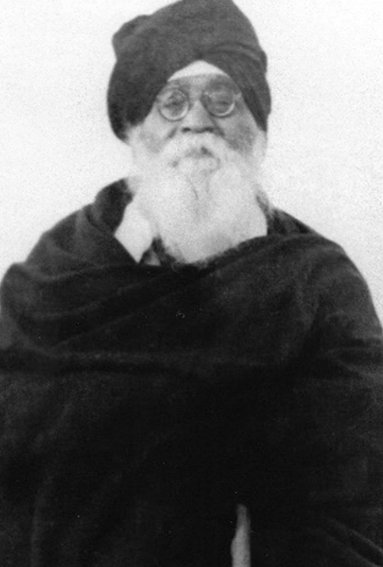
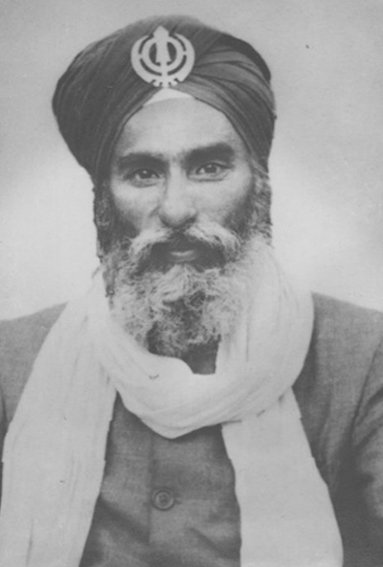
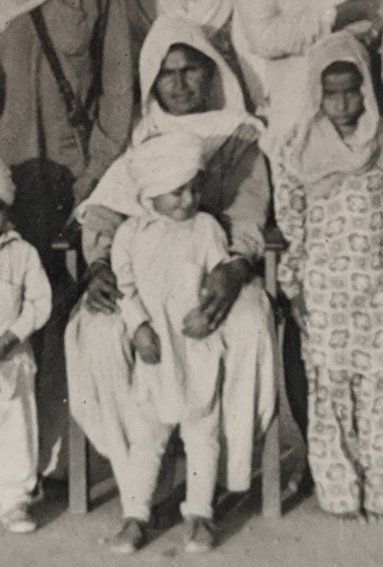
“ਅਨੰਤ ਪ੍ਰਵਾਹ ਟ੍ਰੱਸਟ ਯੂ.ਕੇ.” ਵੱਲੋਂ ਇਹ ਇੱਕ ਨਿਮਾਣਾ ਜਿਹਾ ਉਪਰਾਲਾ ਹੈ ਜਿਸ ਦੁਆਰਾ ਕੁੱਝ ਅਜਿਹੀਆਂ ਸਖ਼ਸ਼ੀਅਤਾਂ ਦੇ ਜੀਵਨ ਬਿਰਤਾਂਤ ਦਾ ਵਿਸਥਾਰ ਦੇਣਾ ਜਿਨ੍ਹਾਂ ਆਪਣਾ ਜੀਵਨ ਗੁਰਮਤਿ ਫ਼ਲਸਫ਼ੇ ਅਨੁਸਾਰ ਜੀਵਿਆ ਅਤੇ ਪੰਥਕ ਖੇਤਰ ਵਿੱਚ ਵਿਚਰਦਿਆਂ ਵੱਡਾ ਯੋਗਦਾਨ ਪਾਇਆ ਤੇ ਆਪਣੇ ਜਿਹੀਆਂ ਹੋਰ ਸ਼ਖ਼ਸੀਅਤਾਂ ਦੇ ਜਨਮਦਾਤੇ ਬਣੇ। ਸਾਡੀ ਮੁਰਾਦ ਹੈ, ਭਾਈ ਸਾਹਿਬ ਭਾਈ ਰਣਧੀਰ ਸਿੰਘ ਜੀ, ਮਾਸਟਰ ਜੁਗਿੰਦਰ ਸਿੰਘ ਜੀ ਬੜੂੰਦੀ ਅਤੇ ਬੀਬੀ ਸ਼ਰਨ ਕੌਰ ਜੀ, ਜਿਨ੍ਹਾਂ ਦੀ ਛਤਰ ਛਾਇਆ ਹੇਠ ਕੁਝ ਹੋਰ ਸਖ਼ਸ਼ੀਅਤਾਂ ਵਧੀਆਂ ਫੁੱਲੀਆਂ, ਜਿਨ੍ਹਾਂ ਵਿੱਚ ਗਿਆਨੀ ਅਮੋਲਕ ਸਿੰਘ ਜੀ, ਮਾਸਟਰ ਉਜਾਗਰ ਸਿੰਘ ਫਰਵਾਲੀ ਤੇ ਮਾਸਟਰ ਨਰਿੰਦਰ ਸਿੰਘ ਜੀ ਬੜੂੰਦੀ ਤੇ ਹੋਰ ਕਈ ਸ਼ਾਮਲ ਹਨ।
ਧੰਨਵਾਦ ਸਹਿਤ
ਅਨੰਤ ਪ੍ਰਵਾਹ ਟ੍ਰੱਸਟ (ਯੂ.ਕੇ.)
Through this Shabad, Guru Amar Das Ji beautifully describes the glory of the Gurmukh, while in just a few words explaining the condition of the Manmukh.
Gurbani does not divide humanity according to caste, social class, or status. Instead, it proclaims that "There is One Father, and we are all His children." (Ang 611). The distinction Gurbani makes is based solely upon one's way of life. It recognises only two spiritual paths: the Gurmukh and the Manmukh.
A Gurmukh lives in the presence of the Guru, shaping every aspect of life according to the Guru's guidance. Such a person becomes accepted in the Divine Court while still alive and remains accepted even after leaving this world.
Every human being is physically born from their mother's womb, but the Gurmukh is spiritually born through the company of the Holy Congregation (Sangat). Having received this spiritual birth, the Gurmukh lives according to the Guru's discipline and teachings. Throughout life, such a soul spreads the fragrance of Divine virtues and brings joy to others because the foundation of their life is Naam.
Whenever a Gurmukh shares the virtues of God with others, this is true charity. When they keep their mind and intellect pure through Naam, this is their spiritual cleansing. Sustained by the gifts of Naam, charity and inner purification they continue spreading the fragrance of the Divine throughout the world.
While Gurmukhs are physically present, people are blessed by their company. Even after they depart this world, however many years may pass, they continue to spread that same spiritual fragrance. What is this fragrance? It is the fragrance of Divine Grace. Those who remember such souls continue to benefit from their inspiration even today.
The Gurmukh continually adopts the Guru's thinking, the Guru's nature and the Guru's wisdom. These are all embodied within the Guru's Shabad. To remain in the Guru's company is to remain in the company of the Shabad. Through this support, the Gurmukh never forgets the Divine Master.
Even death itself becomes beautiful for such a person:
"If the Lord is never forgotten from the mind, then death itself becomes easy." (Ang 555)
When one truly lives according to the Guru's Word, the state described by Guru Amar Das Ji becomes a reality:
"Blessed and fruitful is the life of one who serves the True Guru." (Ang 643)
Consider the example of a tree. We see its branches and leaves upon which flowers bloom and fruit develops. The branches remain full of sap because they are connected to the tree.
As long as a branch remains attached to the tree, it remains alive. But if a violent storm breaks it away, it gradually dries up. A skilled craftsman may smooth and polish that dried branch, yet it is no longer called a living branch, it has become nothing more than a stick.
The difference is profound. One branch remains alive because it is connected to the tree; the other has lost its life because it became separated.
The same is true spiritually. Those who become separated from the Divine are called Manmukhs by the Gurus. Those who remain united with the Divine are called Gurmukhs.
The Gurmukh is filled with noble virtues and provides shade and comfort to others. The Manmukh, however, is spiritually lifeless. Having lost connection with the Divine Source, such a person cannot nourish or uplift anyone else.
This is why Guru Amar Das Ji declares:
"The Manmukhs continue to wander through birth and death."
Both were born as human beings. One fulfilled the purpose of life by becoming a Gurmukh; the other wasted the precious opportunity by turning away from the Divine.
Another example can be found in nature. Along the edges of forests, rivers, and roadsides, wild plants often grow untended. No gardener cares for them. They become tangled together, blocking pathways and providing hiding places for thieves or dangerous animals. They produce fear rather than beauty, and nobody stops to admire or smell their flowers.
Now compare this with a carefully tended garden. A gardener plants each flower with care, waters it regularly, and continually watches over it. People visit such gardens to enjoy their beauty, their fragrance and the peace they offer.
This is the difference between the Gurmukh and the Manmukh.
The Gurmukh continually receives direction from the Guru, lives in reverence and humility, and dedicates life to serving others and society.
The Manmukh, however, walks contrary to the Guru's wisdom. As Gurbani says:
"His only distinction is his worldly authority." (Ang 1288)
Such a person becomes an obstacle to every good undertaking, hinders righteous people, creates conflict within peaceful families, deprives others of their rightful share and exploits the honest labour of others.
The Gurmukh lives like a honeybee. The bee gathers nectar from flowers without harming them, producing honey while preserving the beauty of the garden.
The Manmukh, by contrast, resembles the common housefly. Drawn by greed, it lands upon honey only to become trapped within it and ultimately loses its own life.
Through this humble endeavour, Anant Parvaah Trust U.K. seeks to present the lives of remarkable individuals who lived according to the philosophy of Gurmat, made significant contributions to the Panth, and inspired generations that followed.
Among these great personalities are Bhai Sahib Bhai Randhir Singh Ji, Master Joginder Singh Ji Barundi and Bibi Sharan Kaur Ji. Under their guidance and influence, many others blossomed spiritually and intellectually, including Giani Amolak Singh Ji, Master Ujagar Singh Ji Pharwali, Master Narinder Singh Ji Barundi and many more.
Kind Regards
Anant Parvaah Trust (UK)
© Copyright 2022 by Anant Parvaah Trust